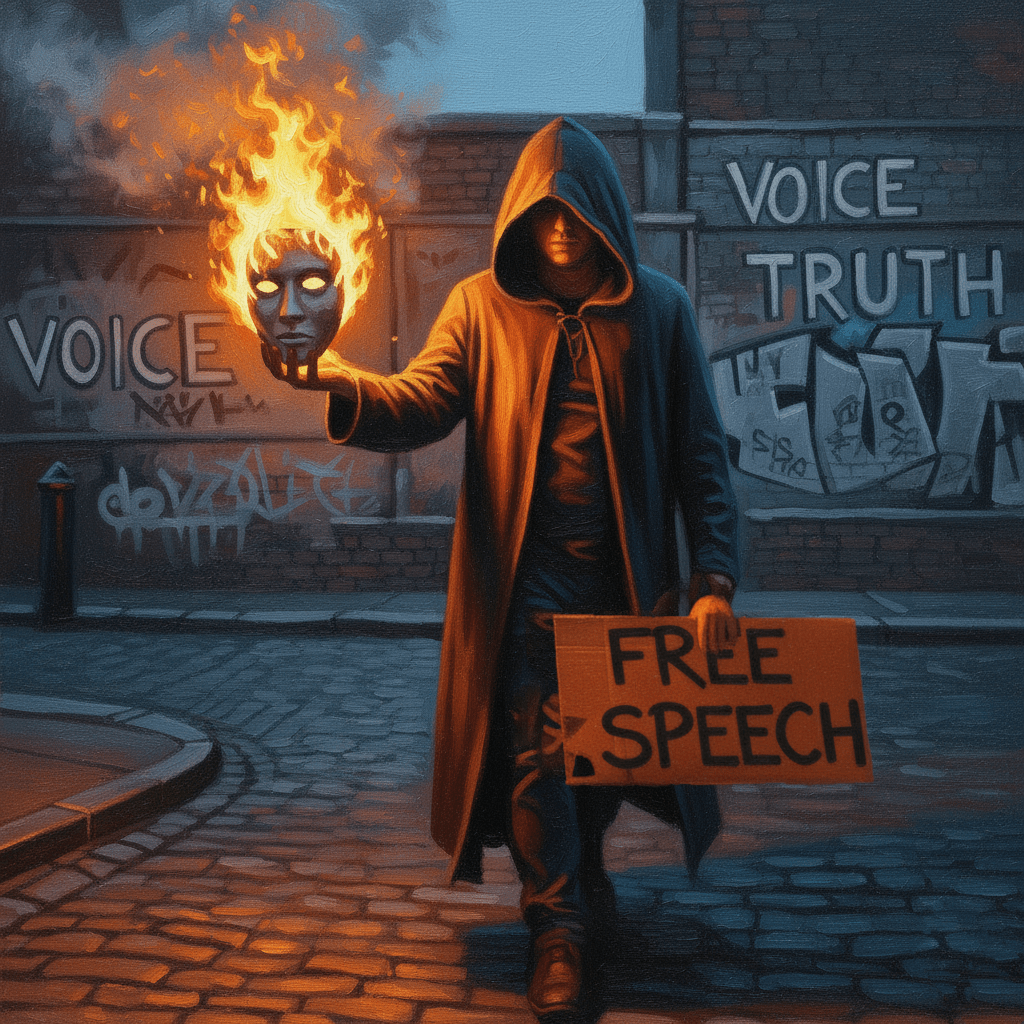


Free speech is necessary for a healthy society, but it also makes some people feel threatened. It’s a cornerstone of democracy, allowing for the open exchange of ideas, the pursuit of truth, and the holding of power to account. Yet, the same principles that make it so vital can also create conflict, offense, and a sense of instability for individuals and groups.
The Necessity of Free Speech
Free speech is more than just the right to say whatever you want; it’s a fundamental pillar of a thriving, open society.
The Pursuit of Truth
Free speech is essential for the pursuit of truth. The “marketplace of ideas” concept, popularized by philosopher John Stuart Mill, suggests that when all ideas are allowed to compete, the truth will eventually triumph over falsehood. Even if a popular idea is challenged, the debate strengthens it and deepens our understanding. Without the freedom to question and critique, societies risk becoming stagnant, dogmatic, and vulnerable to misinformation.
Accountability and Governance
A free press and open public discourse are vital for holding those in power accountable. When citizens can criticize government policies, expose corruption, and voice dissent without fear of reprisal, it acts as a check on authority. This transparency helps prevent tyranny and ensures that leaders are responsive to the needs of the people. It’s no coincidence that authoritarian regimes are often the first to suppress free speech.
Self-Realization and Creativity
For individuals, free speech is crucial for self-realization and personal growth. The ability to express one’s thoughts, feelings, and beliefs is integral to identity. It allows for artistic expression, scientific innovation, and the development of new philosophies. This freedom to explore and create is what drives human progress.
Why Free Speech Feels Threatening
Despite its many benefits, the unfettered exercise of free speech can be deeply unsettling. This is often due to the perceived harm or discomfort it can cause.
The Problem of Hate Speech
One of the most significant tensions around free speech is the issue of hate speech. While most societies protect speech, they often draw a line at language that incites violence or discrimination against a protected group. The difficulty lies in defining where legitimate, albeit offensive, criticism ends and harmful incitement begins. For members of marginalized communities, hate speech isn’t just an idea to be debated; it’s a direct threat to their safety and dignity, making the “marketplace of ideas” feel less like a fair exchange and more like a hostile environment.
The Spread of Misinformation
In the digital age, free speech has an unprecedented reach. This has led to the rapid and widespread dissemination of misinformation, disinformation, and conspiracy theories. These can undermine public trust in institutions, science, and even the democratic process itself. When false information spreads faster than the truth, it can feel like free speech is being weaponized, making it difficult to distinguish fact from fiction.
The Offense and Discomfort of Unpopular Ideas
Free speech protects the expression of ideas we find offensive or morally repugnant. While this is necessary for a robust exchange of ideas, it can be deeply uncomfortable. People often feel threatened when their core beliefs, values, or identities are challenged or ridiculed. This can lead to a desire to restrict speech, not out of a wish to oppress, but from a genuine feeling of psychological or emotional harm. The rise of “cancel culture” is, in part, a response to this, as individuals and groups seek to use social pressure to hold people accountable for what is perceived as harmful or unacceptable speech.
Ultimately, the debate over free speech isn’t about whether it should exist, but about how to balance its necessity with the real and perceived harms it can cause. It’s a constant negotiation between liberty and responsibility, and a challenge that societies must continually address.