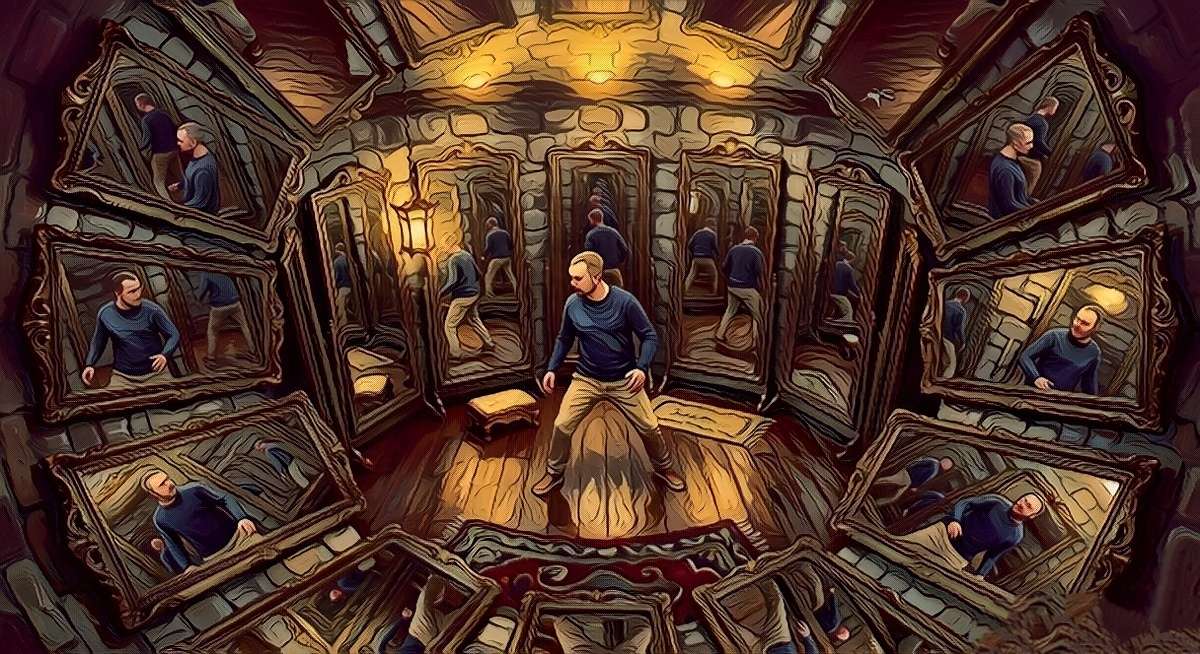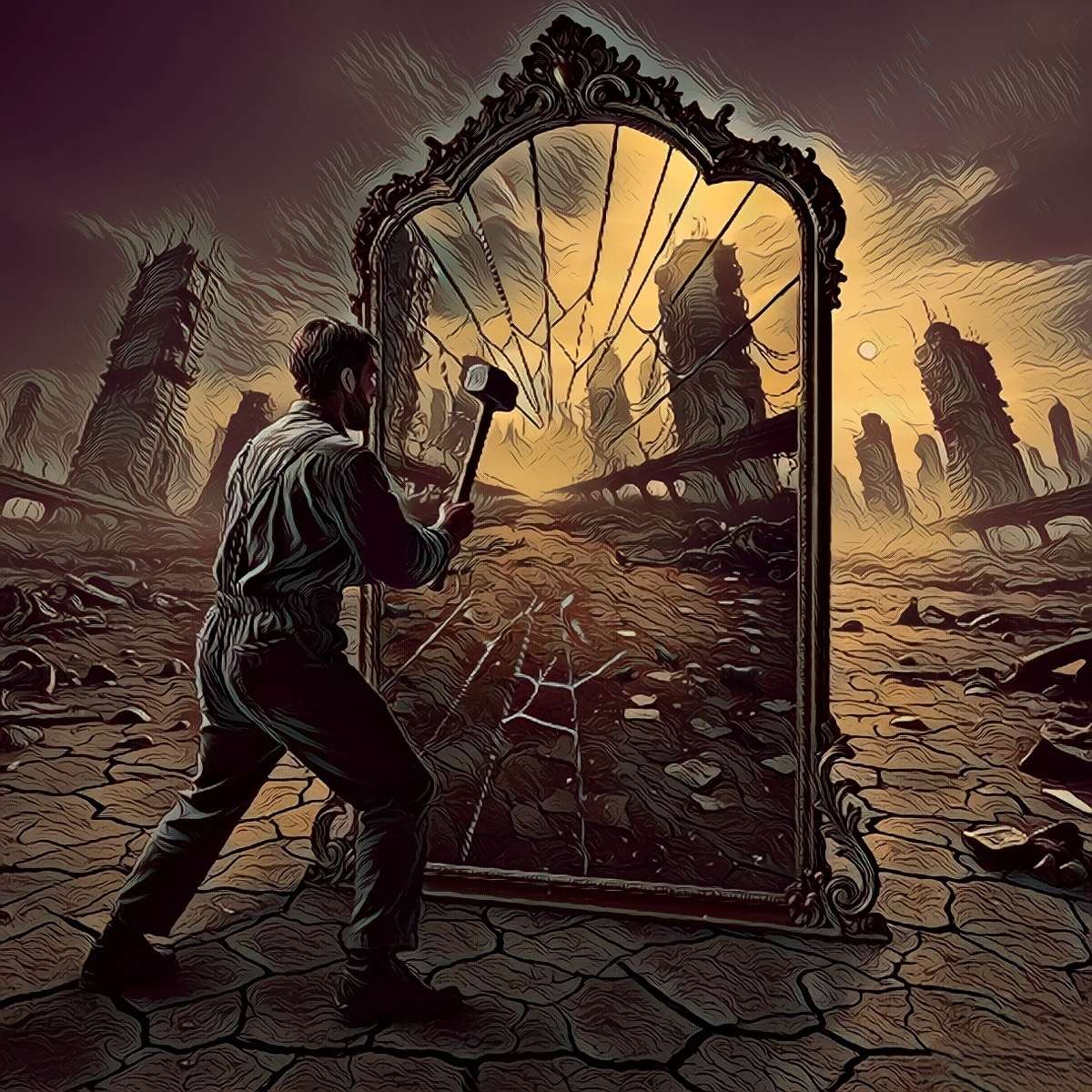


In a society increasingly defined by fleeting connections and digital detachment, the human quest for intimacy has taken a complex and often painful turn. The traditional frameworks of love—built on commitment, emotional vulnerability, and long-term partnership—seem to be eroding, replaced by a transactional culture where lust has become the primary currency of human interaction. This shift isn’t just about sexual desire; it represents a deeper societal malaise, a substitution of genuine emotional connection with the temporary high of physical and emotional gratification.
This phenomenon of “operating on lust” is a direct symptom of our loveless society. A loveless society isn’t one devoid of feeling, but rather one where love, as a practice of sustained care and mutual growth, is sidelined. Instead, people are conditioned to seek instant, self-serving forms of pleasure. The rise of dating apps, for instance, has transformed the search for a partner into a game of swiping, where individuals are reduced to a series of curated photos and a bio. This gamification of romance prioritizes immediate attraction and superficial compatibility over the slow, difficult work of building a genuine bond. The result is a paradox: while we are more “connected” than ever, we feel profoundly alone.
The Economics of Desire
The modern market of relationships operates on a logic of supply and demand, where individuals are both consumers and products. The emphasis is on maximizing one’s “market value” through physical appearance, career success, and curated social media presence. This mindset fosters a transactional approach to relationships, where people are seen less as partners and more as commodities to be acquired or discarded. Lust, in this context, is the engine of this economy. It drives the constant search for the next, best option. The thrill of newness, of conquest, and of immediate gratification outweighs the value of loyalty and long-term investment. This constant pursuit leads to a cycle of emotional unfulfillment. The initial excitement fades, revealing the hollow nature of a connection built on physical desire alone, and the search begins anew.
This isn’t to say that lust is inherently bad. Sexual desire is a natural and healthy part of human experience. The problem arises when it becomes the sole basis for interaction, devoid of a foundation of respect, empathy, and emotional intimacy. In a loveless society, lust becomes a substitute for these deeper needs. It’s a quick fix for loneliness, a temporary bandage for emotional wounds. The physical act provides a fleeting sense of closeness, but it does nothing to address the underlying hunger for genuine connection. This can lead to a state of perpetual dissatisfaction, where individuals hop from one encounter to another, always chasing a feeling that can never be fully satiated because they’re looking for it in the wrong place.
The Digital Feedback Loop
Social media and digital platforms play a crucial role in perpetuating this culture. They create a feedback loop that rewards superficiality and performance. The number of likes, followers, and validation from strangers becomes a metric of self-worth. In this environment, relationships are often performative, with couples and individuals curating an idealized version of their lives for public consumption. This external validation becomes more important than the internal reality of the relationship. When the focus is on appearance rather than substance, the relationship is built on a shaky foundation. The constant comparison to others’ seemingly perfect lives further fuels the sense of inadequacy and the need to constantly seek new sources of validation, often through lustful encounters.
The normalization of casual sex, while liberating for many, has also contributed to this loveless landscape. While sexual freedom is a positive development, when it’s detached from emotional responsibility and genuine connection, it can lead to a pervasive sense of emotional emptiness. Hookup culture, in its most extreme form, can be a symptom of this loveless society, where the physical act is divorced from any emotional consequence. People become adept at protecting themselves from emotional vulnerability, creating a shield that prevents them from forming deep bonds. This emotional armor, while seemingly protective, is what ultimately keeps them isolated and unfulfilled.
Breaking the Cycle
To move beyond this state, individuals and society as a whole must re-evaluate their values. This requires a conscious effort to prioritize emotional intimacy over physical gratification. It means recognizing that genuine love is a verb, an ongoing practice of care, communication, and mutual respect, not just a feeling. It involves learning to be vulnerable again, to lower the defenses and allow for the possibility of being hurt in exchange for the chance of deep connection.
This societal shift won’t happen overnight. It requires a cultural conversation about what we truly value in relationships. It means challenging the transactional mindset and the superficiality encouraged by our digital world. It’s about recognizing that the temporary satisfaction of lust can never replace the enduring fulfillment of a relationship built on genuine love and mutual respect. The path forward lies in a return to empathy, patience, and the understanding that true intimacy is a shared journey, not a fleeting destination.