
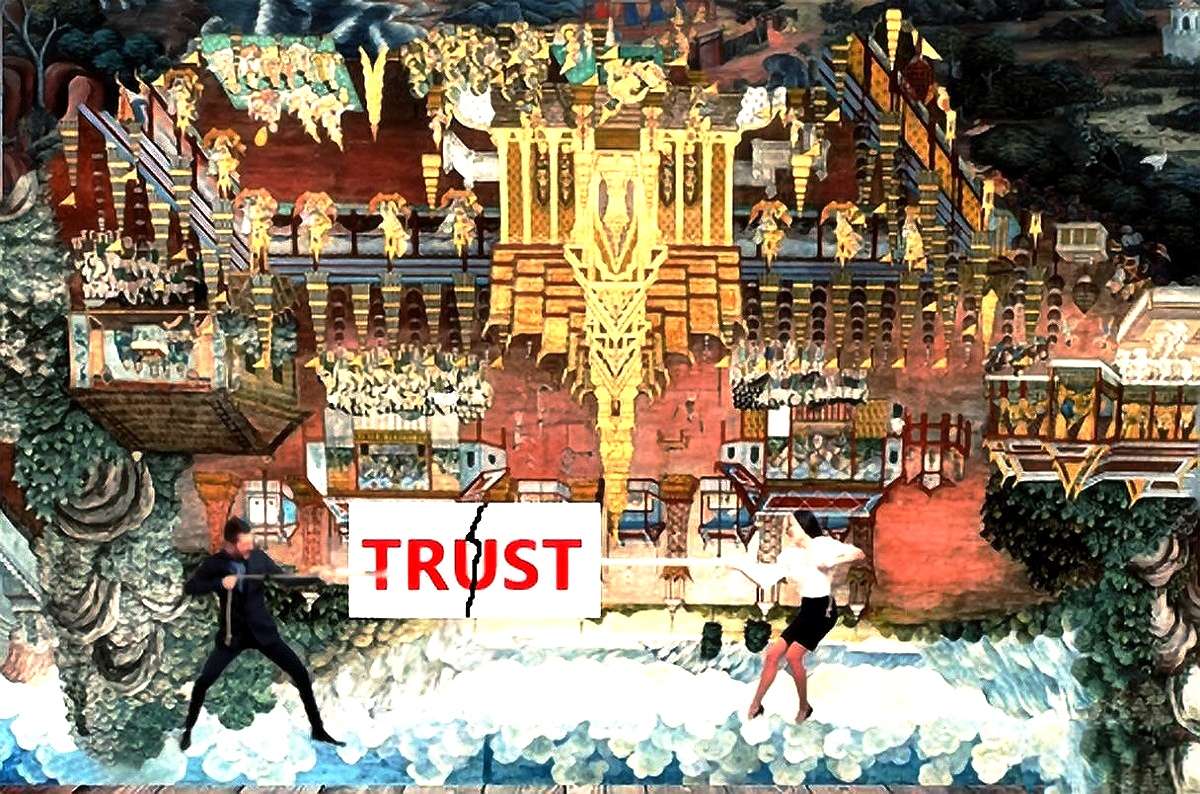


The erosion of trust is a pervasive and multifaceted issue significantly impacting the fabric of modern society. This decline in confidence in institutions, leaders, and even one another has far-reaching consequences, undermining social cohesion, economic stability, and effective governance. While trust has always been a fragile commodity, several contemporary factors have accelerated its degradation to alarming levels.
The Digital Deluge and the Spread of Misinformation
One of the most significant contributors to the erosion of trust is the digital revolution and the accompanying proliferation of information. While the internet offers unprecedented access to knowledge, it has also become a fertile ground for the spread of misinformation, disinformation, and propaganda. Social media platforms, designed to connect people, often inadvertently create echo chambers where individuals are primarily exposed to information that confirms their existing biases. This can lead to a fragmented understanding of reality, making it difficult for people to agree on basic facts, let alone complex societal issues.
The sheer volume of content makes it challenging for individuals to discern credible sources from unreliable ones. The rise of “fake news” and deepfakes further blurs the lines between reality and fabrication, leading to a pervasive sense of skepticism and cynicism. When people can no longer trust the information they consume, their ability to trust the institutions that disseminate that information—be it traditional media, government agencies, or scientific bodies—is severely compromised.
Declining Trust in Institutions
Government institutions have experienced a notable decline in public trust. Scandals, political polarization, and perceived corruption have chipped away at the public’s faith in their leaders and the democratic process. When elected officials are seen as self-serving rather than public servants, the legitimacy of the entire system comes into question. This distrust can manifest in lower voter turnout, increased social unrest, and a general disengagement from civic life.
Similarly, traditional media outlets, once considered pillars of objective reporting, have faced accusations of bias and sensationalism. The 24-hour news cycle and the competitive nature of modern journalism can sometimes lead to a focus on conflict and negativity, further contributing to a jaded public perception. When media is seen as pushing an agenda rather than simply reporting facts, its credibility suffers.
Scientific and medical institutions, despite their critical role in public well-being, have also not been immune. The politicization of scientific findings, particularly evident during global health crises, has sown seeds of doubt among segments of the population. When scientific consensus is challenged by unsubstantiated claims or conspiracy theories, public health initiatives and evidence-based policy-making are undermined.
Economic Inequality and Social Division
Growing economic inequality plays a significant role in fostering distrust. When a large segment of the population feels that the economic system is rigged against them, and that opportunities are not equally distributed, it breeds resentment and a sense of injustice. This can lead to a decline in trust in capitalist systems, financial institutions, and even the promise of upward mobility. The perception that the wealthy and powerful operate by a different set of rules erodes the belief in fairness and meritocracy.
Furthermore, increasing social and cultural divisions exacerbate the erosion of trust. Identity politics, fueled by historical grievances and contemporary anxieties, can create “us versus them” mentalities. When groups view each other with suspicion and hostility, it becomes difficult to find common ground or engage in constructive dialogue. This fragmentation weakens the social fabric and makes collective action more challenging.
The Role of Leadership and Accountability
The actions and rhetoric of leaders significantly influence the level of trust in society. Leaders who prioritize short-term gains over long-term societal well-being, engage in divisive language, or fail to uphold ethical standards contribute directly to the erosion of trust. Conversely, leaders who demonstrate integrity, transparency, and a commitment to the common good can help rebuild trust.
Lack of accountability for wrongdoings also plays a crucial role. When individuals or institutions responsible for breaches of trust are not held to account, it sends a message that such behavior is permissible, further deepening public cynicism. A robust system of checks and balances, independent oversight, and impartial justice is essential for maintaining and restoring trust.
Consequences of Eroding Trust
The consequences of eroding trust are profound and far-reaching:
- Reduced Social Cohesion: A society built on distrust is inherently fragile. It becomes harder to solve collective problems, respond to crises, and maintain a sense of shared purpose.
- Economic Instability: Trust is the bedrock of economic transactions. When trust in financial markets, businesses, or legal systems declines, it can deter investment, stifle innovation, and lead to instability.
- Weakened Democracy: For democracy to function effectively, citizens must trust in their elected representatives, the electoral process, and the rule of law. Erosion of this trust can lead to political apathy, extremism, and instability.
- Public Health Challenges: As seen during the COVID-19 pandemic, a lack of trust in scientific and health authorities can hinder public health efforts, leading to lower vaccination rates and adherence to preventative measures.
- Increased Polarization: Distrust fuels polarization, as people become less willing to engage with opposing viewpoints and more entrenched in their own beliefs.
Rebuilding Trust: A Long and Arduous Path
Rebuilding trust is not a quick fix; it requires sustained effort from all segments of society. Key steps include:
- Promoting Media Literacy: Educating individuals to critically evaluate information and identify credible sources is crucial in the digital age.
- Enhancing Transparency and Accountability: Institutions must be more transparent in their operations and hold themselves accountable for their actions.
- Fostering Ethical Leadership: Encouraging and supporting leaders who prioritize integrity, empathy, and public service.
- Addressing Inequality: Implementing policies that aim to reduce economic disparities and ensure more equitable opportunities.
- Encouraging Dialogue and Empathy: Creating spaces for constructive dialogue across divides and fostering understanding for different perspectives.
- Investing in Public Education: A well-informed citizenry is better equipped to make sound judgments and resist manipulative narratives.
The erosion of trust is a societal illness that, if left untreated, can have devastating consequences. Recognizing its root causes and committing to a multi-pronged approach to rebuild it is essential for the health, stability, and future prosperity of our societies.


One response to “The Erosion Of Trust in Society”
e50p89