

The notion that true power resides in the shadows is a timeless and enduring concept, one that echoes through history, literature, and modern political discourse. It suggests that the most significant influence isn’t found in the public eye, but rather in the quiet, behind-the-scenes machinations of individuals and groups who shape events without seeking recognition or the limelight. This idea challenges our conventional understanding of power, which we often equate with visibility, authority, and public acclaim.
The Allure of the Unseen
Power in the shadows derives its strength from its very invisibility. When power is public, it’s subject to scrutiny, criticism, and opposition. It must operate within the constraints of laws, public opinion, and institutional checks and balances. Conversely, power that operates in the shadows is unburdened by these limitations. It can be more agile, decisive, and, in many cases, more effective because it’s not constrained by the need for popular approval or the formalities of public procedure.
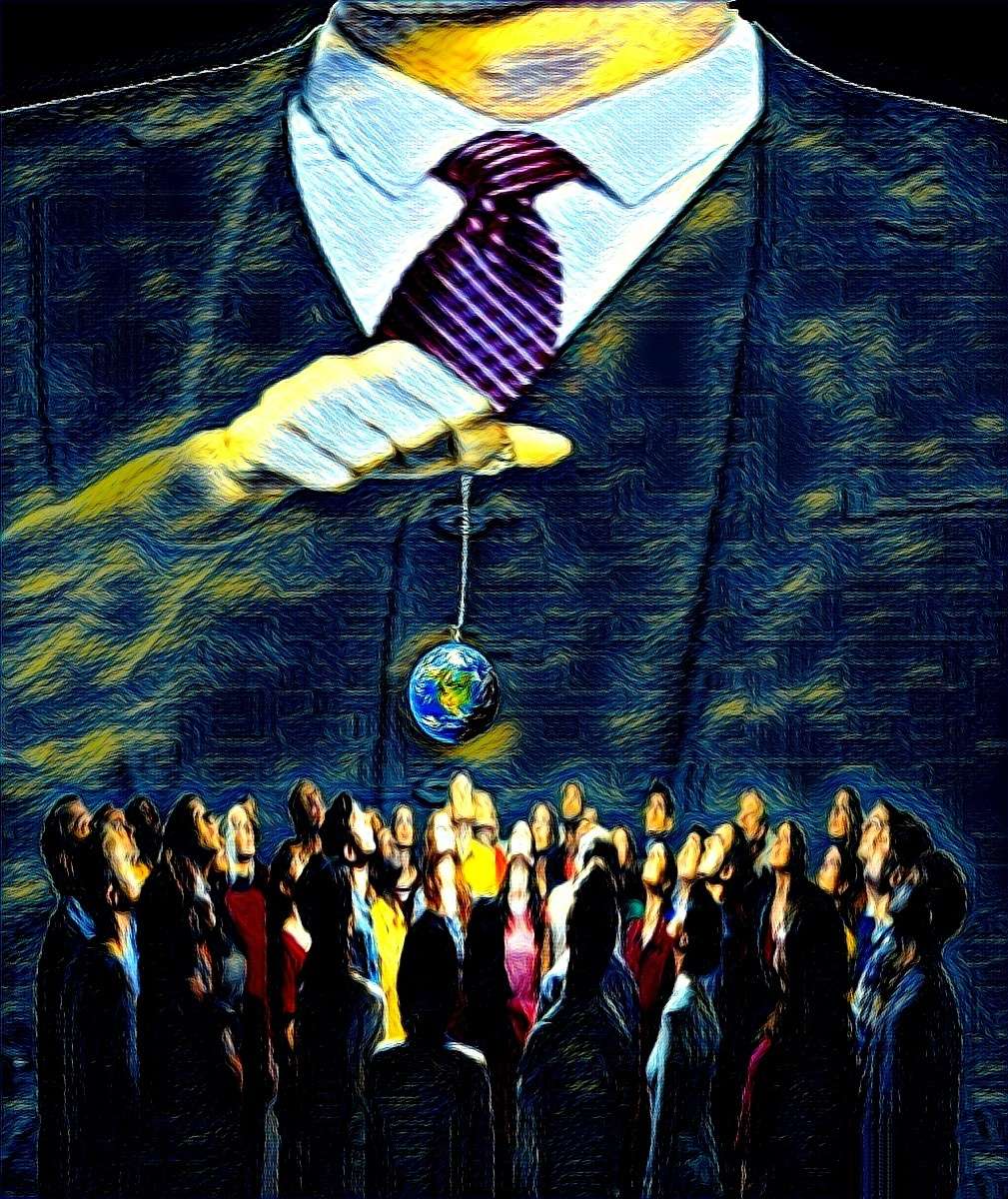
Consider the classic archetype of the “puppet master” or the “éminence grise.” These figures, from Rasputin in Imperial Russia to Cardinal Richelieu in 17th-century France, wielded immense influence not through formal titles or public speeches, but through their close relationships with rulers and their mastery of court intrigue. They understood that controlling the flow of information and influencing key decisions from behind closed doors was far more potent than holding a position that made them a target for public animosity.
Historical and Literary Examples
History is replete with examples of power residing in the shadows. Think of the intelligence agencies that orchestrate covert operations to influence foreign policy, the financial moguls who control global markets from private boardrooms, or the lobbyists who quietly shape legislation in the halls of power. These entities and individuals understand that the real levers of control are often hidden from plain sight.
Literature and film have long explored this theme, from the secretive guilds and shadowy councils in fantasy novels to the cunning villains who manipulate events from their hidden lairs. Shakespeare’s Iago, for instance, is a master of this type of power. He doesn’t seek the throne himself; instead, he uses whispers, deceit, and manipulation to destroy Othello from within, proving that the most destructive force can be the one you never see coming. Similarly, in J.R.R. Tolkien’s The Lord of the Rings, Sauron, the ultimate evil, operates from the dark tower of Mordor, his influence spreading like a creeping shadow across Middle-earth. He is a disembodied eye, a force of unseen malevolence that manipulates orcs and men from a distance.
Modern Manifestations
In the modern world, the concept of shadowy power has taken on new forms. The digital age has given rise to a new class of “shadow” figures: hackers, data brokers, and tech giants who possess an unprecedented amount of information about individuals and societies. This data is a form of power, and its collection and analysis happen largely outside of public view. A company might use an algorithm to subtly influence consumer behavior, or a foreign actor might launch a disinformation campaign to sway an election. These are not acts of overt force but of subtle, unseen manipulation.
The political sphere also offers plenty of examples. The rise of Super PACs and dark money in political campaigns allows wealthy donors to influence elections without public accountability. These are funds donated to political non-profit organizations that are not required to disclose their donors, making it difficult to trace the source of the money and understand the true motives behind the political ads and campaigns they fund. This secrecy allows for a more direct and less scrutinized form of political influence.
The Paradox of Visibility
The paradox is that the more a person or entity seeks the spotlight, the more their power becomes diluted. When you are a public figure, you are a brand, a symbol, and a target. You are subject to the whims of public opinion and the constant pressure of media scrutiny. Those who operate from the shadows, however, are free from this burden. They can make unpopular decisions, take risks, and pursue long-term goals without fear of immediate public backlash. Their power is not derived from popularity but from their ability to influence events, resources, and people without drawing attention to themselves.
Ultimately, the idea that true power stays in the shadows is a reminder to look beyond the surface. It challenges us to question who really holds the cards, to seek out the hidden influences, and to understand that the world is often shaped not by the people we see on the news, but by the quiet forces operating just out of sight. It is a cautionary tale, urging us to be vigilant and aware of the unseen currents that guide the course of our lives and our societies.